

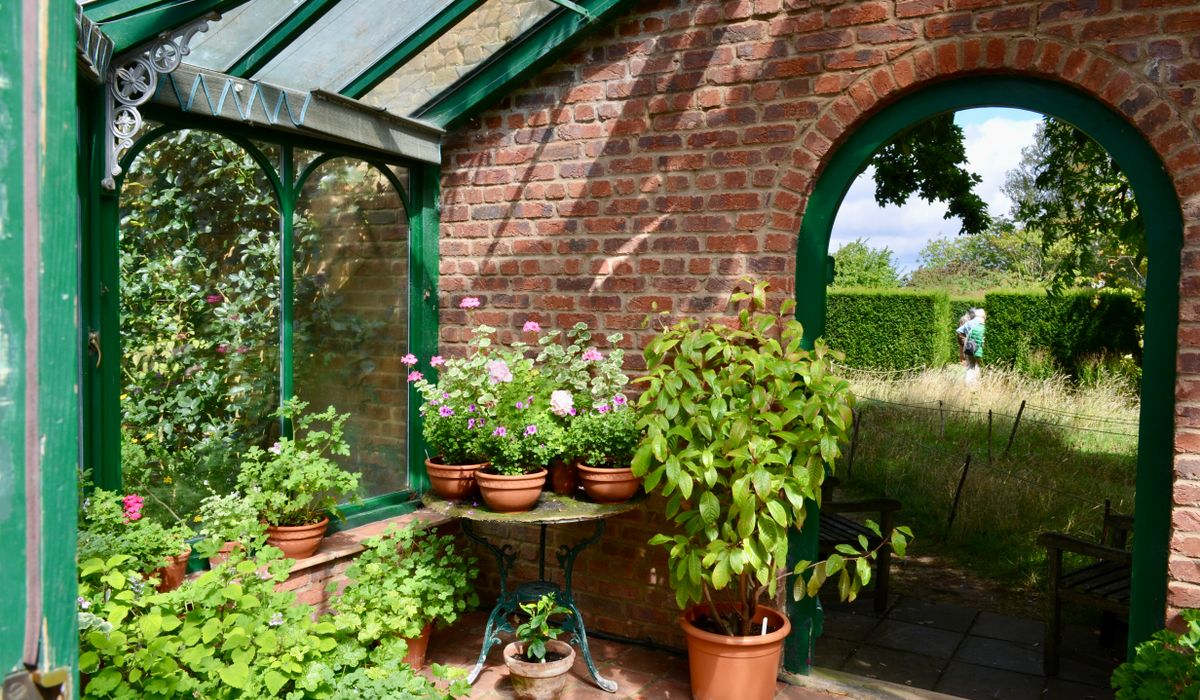
Tracing the history of your house can be one of the most rewarding projects you will ever undertake. Whether you live in a Georgian townhouse, a Victorian terrace or a humble rural cottage, every building has a story to tell. The good news is that with patience and a methodical approach, you can uncover previous owners, map out alterations and bring your home's past to life.
Start with what you already have
Before you head to the archives, gather everything you can from home. Dig out your title deeds if you have them — they often contain a wealth of information, from old property descriptions to the names of former owners. Look for any documents left behind by previous occupants: old photographs, receipts for building work, insurance policies or even letters. These can provide valuable clues and starting points.
Talk to long-standing neighbours and local residents. They may remember earlier occupants or changes to the house. Check for date stones, builder's marks, old fixtures and fittings, or any architectural details that hint at the original construction. Even a simple walk around your property can reveal blocked-up windows, changed rooflines or extensions that were added later.
Maps and plans: a window into the past
Maps are among the most useful tools for house historians. Start with tithe maps and apportionments from the 1840s, which show land ownership and occupation in England and Wales. Enclosure maps and awards can also be helpful, particularly for rural properties. Estate maps, often held in county record offices, may show your house and its grounds in fine detail.
Ordnance Survey maps are invaluable. The detailed 25 inch to the mile series, first published from the 1850s onwards, shows individual buildings, boundaries, outbuildings and even garden features. By comparing successive editions — say, from 1890, 1910 and 1930 — you can see when extensions were added, when outbuildings disappeared or when a plot was subdivided. Your local studies library or county record office will have these maps, and many are now available online.
Deeds, leases and manorial records
If you are lucky enough to have your original deeds, they are a goldmine. They typically list the parties involved, a description of the property, the price paid and any covenants or conditions. Even if you do not hold the deeds, your mortgage lender or solicitor may have copies, or they may be deposited in a county record office. An abstract of title, which summarises the ownership history, is particularly useful.
For properties that were once copyhold — held from a manor — manorial records can be essential. These include court rolls, rentals and admission registers, which record transfers of property. Leases and tenancy agreements also reveal terms and occupants. If your house was rented out, you may find references in estate papers or landlord's accounts.
Local archives and record offices
Your county record office or local studies library is the heart of any house history project. Before you visit, search their online catalogue by place name, street name and any names you have already discovered. Staff are usually very knowledgeable and can point you towards relevant collections.
Key records to look for include:
- Parish registers (baptisms, marriages and burials) — useful for identifying former residents.
- Electoral registers, which list people eligible to vote from 1832 onwards.
- Trade directories, which list householders and businesses by street.
- Land tax assessments and window tax records, which can indicate property size and occupancy.
- Building control plans and planning applications, which show alterations and extensions from the late 19th century onwards.
Census returns and the people who lived there
Census returns from 1841 to 1921 are available online and are a fantastic resource. They record names, ages, occupations, relationships to the head of household and birthplaces. By tracking your house through each census, you can build a picture of the families who lived there and how long they stayed. Combine this with trade directories and electoral registers to confirm whether occupants were owners or tenants.
Wills and probate records can also be revealing. If a former owner left your house in their will, the document may describe the property and list beneficiaries. Local newspapers — often available on microfilm or online — may contain sale particulars, auction notices or even reports of events at the house. These can add colour and context to your research.
Architectural clues and later changes
Finally, do not neglect the building itself. Architectural clues can help you date different parts of your home and understand how it has changed. Look at brickwork, roof timbers, window styles, door cases and chimney stacks. A blocked-up doorway or a change in wall thickness can indicate an earlier structure or a later extension.
Compare what you see with historic maps and plans. If an extension appears on a 1910 map but not on an 1890 one, you know it was added in between. Planning applications and building control records, held by your local authority, can give precise dates and details of alterations. Old photographs and postcards, perhaps held by the local history society, can show your house at different periods.
Researching your house's history is a journey of discovery. It may take time, and you may hit dead ends, but each piece of evidence adds to the story. Be methodical, keep notes, and enjoy the process of bringing your home's past to life.


Coding is used in almost all aspects of life and work now, be it directly or indirectly. It’s not just for companies in the tech sector. “An increasing number of businesses rely on computer code,
Coding is used in almost all aspects of life and work now, be it directly or indirectly. It’s not just for companies in the tech sector. “An increasing number of businesses rely on computer code,
Coding is used in almost all aspects of life and work now, be it directly or indirectly. It’s not just for companies in the tech sector. “An increasing number of businesses rely on computer code,