

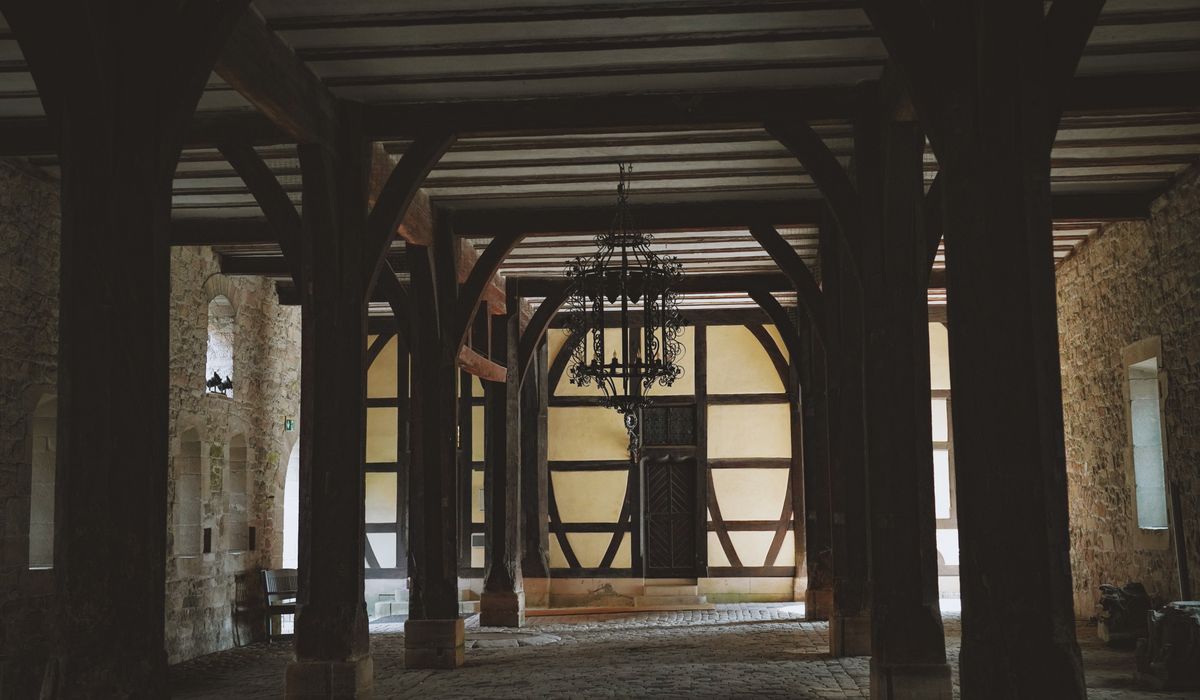
Setting the Scene in a Heritage Kitchen
Few things flatter a period home quite like the smell of baking drifting through a beamed hallway. Afternoon tea is the most forgiving kind of hospitality: it asks for a pot of tea, three simple bakes and a little time, not a full dinner service. Whether your kitchen has an ancient range cooker, a flagstone floor and a draughty window, or a modern oven tucked into an old shell, the recipes that follow are deliberately plain, generous and difficult to get wrong. They are the sort of cakes a Victorian housekeeper would recognise, scaled for a domestic kitchen and a handful of visitors.
Heritage kitchens have their own rhythms. Old ovens often run hot at the back and cool at the front, and an Aga or Rayburn gives you no dial to argue with. The answer is simple: bake in small batches, turn the tray halfway, and trust your nose and your eyes more than the clock.
Buttermilk Scones That Rise Properly
Scones are the heart of the plate, and the difference between a good one and a great one is handling. Work quickly, keep everything cool, and do not overwork the dough.
- 450g self-raising flour, plus a little for dusting
- 2 level tsp baking powder
- 75g cold butter, cut into cubes
- 50g caster sugar
- 200ml buttermilk, or milk soured with a squeeze of lemon
- 1 egg, beaten, for glazing
Heat the oven to 220°C, 200°C fan, Gas 7. Rub the butter into the flour and baking powder until it looks like fine breadcrumbs, then stir in the sugar. Add the buttermilk and bring it together with a knife, then a light hand, until you have a soft, slightly shaggy dough. Pat it out on a floured surface to about 3cm thick. Cut with a 6cm cutter and press straight down without twisting — a twist seals the edges and stops the rise. Glaze the tops only; egg running down the sides will hold them back too. Bake for 10 to 12 minutes until risen and golden. Cool on a wire rack under a clean tea towel to keep the crusts soft.
Shortbread for the Tin
Shortbread keeps beautifully for a week in an airtight tin, which makes it the sensible bake to make first. Its only real requirement is patience with the chilling.
- 175g plain flour and 50g cornflour
- 175g unsalted butter, softened but still cool
- 75g caster sugar, plus extra for dusting
- A pinch of salt
Cream the butter and sugar until pale, then work in the flours and salt to a crumbly dough that just holds together. Shape it into two rounds, press into a 20cm tin or a petticoat-tail mould, prick all over with a fork and chill for at least 30 minutes. Bake at 170°C, 150°C fan, Gas 3 for 20 to 25 minutes; it should be pale gold, never brown. Mark into wedges while warm, dust with caster sugar and leave in the tin to firm up before lifting out.
Small Cakes Worth a Second Helping
A traditional tea wants something small and neat in the middle of the stand. A Victorian seed cake is ideal — light, fragrant and unexpectedly popular with anyone who claims not to like caraway.
Cream 175g butter with 175g caster sugar, beat in 3 eggs one at a time, then fold in 225g self-raising flour, 2 tsp caraway seeds and a tablespoon of brandy or milk. Bake in a lined 18cm tin at 180°C, 160°C fan, Gas 4 for 50 to 55 minutes, or in small bun cases for 18 to 20 minutes. If you prefer jam cakes, use 110g each of butter, caster sugar and self-raising flour with two eggs and half a teaspoon of baking powder, baked in bun cases at 190°C for 12 to 14 minutes, then topped with a swirl of buttercream and a spoonful of raspberry jam.
Baking Around an Old Oven
- Test the heat with a small tray of plain scones before committing a special bake. If they colour in eight minutes, your oven runs hot; drop everything by 10°C.
- Rotate halfway through every bake. Older ovens and range cookers rarely heat evenly.
- Bake in the morning, when the kitchen is cool, then let the residual warmth scent the house for the afternoon.
- Keep tins lined and ready before you start; old kitchens are draughty, and dough left standing loses its lift.
The Table, the Tea and the Welcome
Presentation matters as much as the baking. Use what you have: mismatched china, a linen cloth, a jug of garden flowers, a plate for each course rather than a tiered stand if that suits the room better. Warm the pot with boiling water, then add loose-leaf Assam or Darjeeling — a heaped teaspoon per person and one for the pot — and brew for three to four minutes before pouring.
Serve the scones the moment they are still faintly warm, with clotted cream and good jam. If you have Cornish guests, jam first; if Devonshire ones, cream first. Both are correct, and it is far better to let them argue about it than to get it wrong yourself. Above all, sit down with your visitors. An afternoon tea that is rushed is not really an afternoon tea, and the warmest hospitality in a historic house has always been the simplest.


Coding is used in almost all aspects of life and work now, be it directly or indirectly. It’s not just for companies in the tech sector. “An increasing number of businesses rely on computer code,
Coding is used in almost all aspects of life and work now, be it directly or indirectly. It’s not just for companies in the tech sector. “An increasing number of businesses rely on computer code,
Coding is used in almost all aspects of life and work now, be it directly or indirectly. It’s not just for companies in the tech sector. “An increasing number of businesses rely on computer code,