

Start With the Rainwater Goods
Everything else can wait; in an older house, water is the enemy you can see coming. Autumn's first job is to walk the perimeter with a torch, a pair of gloves and a sturdy ladder, checking every gutter run, hopper head and downpipe. Cast-iron systems on Georgian and Victorian properties are wonderfully durable, but they do not forgive neglect. A single blocked hopper head can send water into a wall plate, a cornice or a lintel within one wet season, and the stain will appear indoors long after the damage is done.
Scoop out leaves and moss by hand wherever you can reach safely, then flush the run with a hose and watch where the water actually goes. Fitting wire balloons or leaf guards over downpipe outlets saves hours of repeat work, particularly if you are surrounded by mature trees. If the ladder work is beyond you, or the gutters sit three storeys up, book someone qualified now rather than in November, when every gutter in the county is blocked and nobody is free until spring.
- Gutters and hoppers cleared of leaves, moss, grit and the occasional tennis ball
- Downpipes running clear all the way to the drain, not simply discharging at the wall base
- Gullies and grids raked out before the first heavy rain
- Joints, brackets and straps sound, with no rust weeping down the paintwork
- Water butts emptied, covered or fitted with a diverter, and their taps checked
If the cast iron needs repainting, do it now while the metal is dry and still warm enough for the paint to cure. Hairline cracks in a hopper can often be repaired rather than replaced, which keeps the house's original detailing intact.
Roofs, Chimneys and Pointing
From ground level, with binoculars, look for slipped slates, lifted lead flashings, cracked ridge tiles and patches where mortar has crumbled away. Gales find the weak points first, and a slipped slate in October becomes a soaked ceiling by December. Where repointing is needed on a traditionally built house, insist on lime mortar rather than cement. Cement is harder than the bricks or stone around it, traps moisture, and forces the damp to find a way out through the wall itself.
Chimneys deserve their own attention. Book the sweep before you light the first fire of the season, not after. Check that pots are sound and secure, that cowls are doing their job, and that no birds have taken up residence over the summer. If you plan to change anything visible on a listed building, or on one in a conservation area, check whether listed building consent is required before work begins.
Windows, Doors and the Question of Draughts
Old buildings need to breathe, and the temptation to seal every gap is one of the most common mistakes owners make. An airtight period house simply traps moisture indoors, where it condenses on cold walls and window reveals and quietly encourages rot. Aim instead for controlled ventilation: draught-proof the worst offenders, but leave airbricks and vents clear and working.
Sash windows benefit from a little seasonal attention. Check the cords and pulleys, ease stiff frames with a touch of candle wax on the runners, and fit discreet brush seals on the staff beads rather than forcing foam into the gaps. Removable secondary glazing panels are a sensible compromise where original glass must stay. Heavy curtains drawn at dusk and shutters closed at night will do more for comfort than any amount of sealant.
Grounds, Borders and the Kitchen Garden
Leaf fall is a gift if you catch it: gathered into a wire bin and left for a year, it becomes the finest soil conditioner you can make. Rake leaves off lawns before the final cut of the season, and clear them away from box hedging, alpines and low-growing plants, where they smother and rot. On gravel drives and paths, give the surface a firm rake before winter rains arrive.
- Have large or veteran trees checked by a qualified arboriculturist, especially any within falling distance of the house or outbuildings
- Cut hedges while the weather is still mild enough for them to recover
- Lift tender plants into the greenhouse, porch or cold frame
- Raise terracotta pots onto feet so they drain freely and do not crack in frost
- Clear algae and moss from stone steps and brick paths, which turn lethal when wet
- Drain outdoor taps, coil hoses and store tools somewhere dry
Guest Rooms, Textiles and Cold Corners
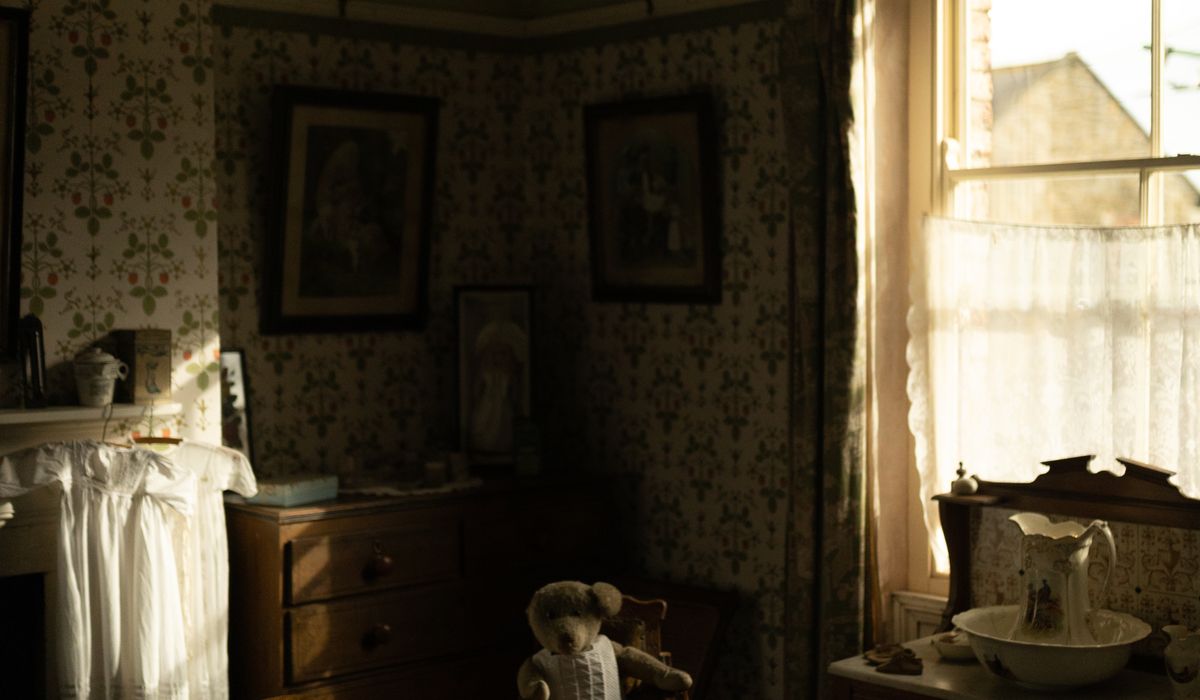
The spare room in a period house is often the coldest, and the one most likely to develop damp over winter. Air it properly on dry, bright days rather than simply shutting the door and hoping. Pull beds and heavy furniture a few inches away from external walls so air can move behind them, and check the corners for the first signs of trouble.
Moths adore stored wool and linen. Wash or dry-clean blankets and spare bedding before putting them away, store them in breathable cotton bags rather than plastic, and add lavender or cedar. Service the boiler, order your logs early and stack them under cover with air circulating around them. Then, when the first cold snap arrives, you will be lighting a fire rather than chasing a plumber.
A Weekend Order of Work
If you have one dry weekend to spare, this order keeps the essentials from slipping:
- Saturday morning: gutters, hoppers, downpipes and gullies
- Saturday afternoon: lawns, leaves, paths, pots and the tool shed
- Sunday morning: roof and chimney inspection from ground level, then book the sweep
- Sunday afternoon: air the guest rooms, store textiles, check vents and airbricks
Historic houses reward small, regular attentions far more than dramatic interventions. An hour spent clearing a gutter in September is worth a fortnight of drying out plaster in January. Do a few of these jobs well, leave the rest for a dry day in spring, and your old house will carry you through the cold months exactly as it has carried every winter before.


Coding is used in almost all aspects of life and work now, be it directly or indirectly. It’s not just for companies in the tech sector. “An increasing number of businesses rely on computer code,
Coding is used in almost all aspects of life and work now, be it directly or indirectly. It’s not just for companies in the tech sector. “An increasing number of businesses rely on computer code,
Coding is used in almost all aspects of life and work now, be it directly or indirectly. It’s not just for companies in the tech sector. “An increasing number of businesses rely on computer code,